
Types of Donations

Blood provides the body with many of the vital elements needed to sustain life and as such there are different types of blood donations. Trauma victims, cancer patients, and even newborn babies may require blood transfusions to survive. Donating blood is a safe and easy way to be an every day hero in your community.

Whole Blood Donations

Regular blood donations are referred to as whole blood donations. This is the most common blood donation, and what most people think of when they think of donating blood. The average donation takes around 8-10 minutes in which approximately one pint of blood is drawn. The blood is then sent to our labs, tested for the safety of the recipient, separated into components (Platelets, Plasma, and Red Blood Cells) and bagged together by blood type and distributed to one of our area hospitals.
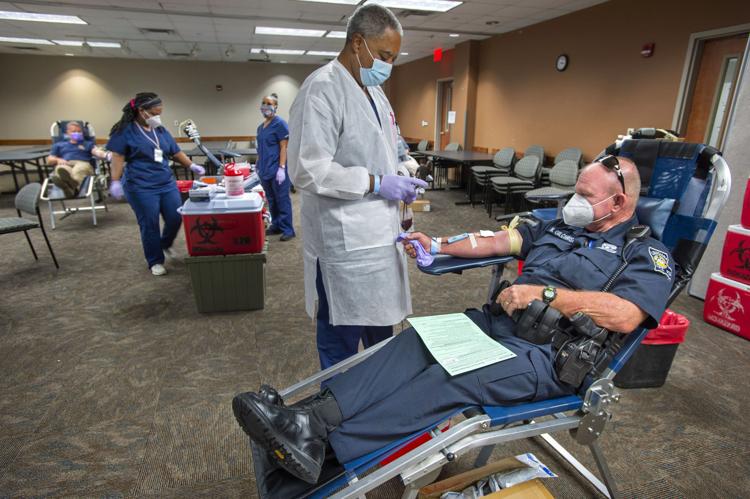
types of blood donations

Apheresis Donations

In an Apheresis donation, blood drawn from the donor’s arm goes first to a cell separator machine. This type of automated technology is called apheresis (pronounced “a-fur-e-sis”). The components are separated and sent to a collection bag and the remaining components are returned to the donor. Apheresis allows us to collect a larger, concentrated amount of a single blood component. Apheresis donations collect Platelets, Plasma, or a combination of both! 

Apheresis is a closed, sterile system utilizing single-use disposable needles and plastic tubing. The donation takes about one to two hours.

Donating Platelets

Platelets help your blood to clot by forming a temporary plug in the wound that helps stop the bleeding. A continuous supply of fresh platelets is essential to meet the needs of patients in area hospitals. Unlike whole blood, the shelf life of a unit of platelets is only five days, so platelet donors are needed on a consistent basis in order to keep a full supply. We offer platelet donations at our donor centers. Please call to make an appointment, or if you have further questions. (You can also send an email to info@thebloodcenter.org)

A wide variety of patients need platelets. Children and adults with cancer use platelets, as well as people undergoing organ transplants, bone marrow transplants, and heart surgery. For example, patients with leukemia undergo chemotherapy to destroy the cancerous white cells, but this treatment also destroys their healthy cells, leaving the patient vulnerable to infection. In addition, these patients often do not produce enough platelets of their own, making them prone to spontaneous bleeding. A cancer patient can use one to three units of platelets per day while undergoing chemotherapy or radiation treatment. 

The Platelet types in demand vary based on hospital needs. Donors with A+ (Positive) blood are commonly recruited for Platelet donations since their Platelets can go to 80% of the population. In addition, the rare Blood Type AB- (Negative) is known as the universal platelet donor, so anyone with this type is encouraged to consider donating Platelets to maximize their impact. However, only 1% of the population has this type of blood, so it is important for hospitals to have all blood types available in case they are needed.

The general requirements for donating platelets are the same for whole blood. Additionally, you must wait 72 hours after taking aspirin or aspirin-containing medications since aspirin affects platelets’ ability to function properly.

If you have ever been pregnant or had a blood transfusion before, you will have to have a preliminary blood draw test to determine your Platelet Donor eligibility.

Please speak to an Apheresis Supervisor about whether or not you qualify to donate platelets. 

You are eligible to donate Platelets up to every 2 weeks! Donors must also meet other criteria such as sufficient Iron Levels in order to donate Platelets.

donating platelets

Donating Plasma

Plasma is the liquid portion of blood and contains all the substances necessary for normal blood clotting. A continuous supply of plasma is essential to meet the needs of patients in area hospitals. Nearly four million units of plasma are transfused annually in the United States. As medical treatment improves, plasma use continues to grow. We offer plasma donations at several of our donor centers. Please call to make an appointment, or if you have further questions. (You can also send an email to info@thebloodcenter.org)

Plasma is beneficial to a wide variety of patients. Children and adults with cancer, including leukemia, need plasma transfusions. Other users are people undergoing liver transplants, bone marrow transplants, and severe burn patients. Clotting factors for hemophilia patients are made from donated plasma.

For example, patients with liver disease cannot make the substances necessary for blood clotting. Plasma donations provide these substances until the patient’s own liver recovers, or until a liver transplant is performed. These patients can use two to six units of plasma per day.

The Plasma types in demand vary based on hospital needs. Blood Types AB+ and AB- are known as universal plasma donors so anyone with these types are encouraged to consider donating plasma to maximize their impact. However, only a small percentage of the population has this type of blood, so it is important for hospitals to have all blood types available in case they are needed.

 The general requirements for donating platelets are the same for whole blood. Additionally, you must wait 72 hours after taking aspirin or aspirin-containing medications.

Please speak to an Apheresis Supervisor about whether or not you qualify to donate plasma. 

You are eligible to donate Plasma every 4 weeks (or 28 days) Donors must also meet other criteria such as sufficient Iron Levels in order to donate plasma.

Double Reds/Alyx Donations

Of the blood components that are transfused most (red blood cells, platelets, and plasma), red blood cells are in the greatest demand. The Double Reds donation process uses automated technology (Sometimes called Alyx) to safely collect double the amount of red blood cells versus a regular whole blood donation. More than 14 million pints of red blood cells are transfused annually in the United States. We accept Double Red donations at our donor centers and at select mobile blood drives (ask if “Alyx” is coming along to the blood drive)
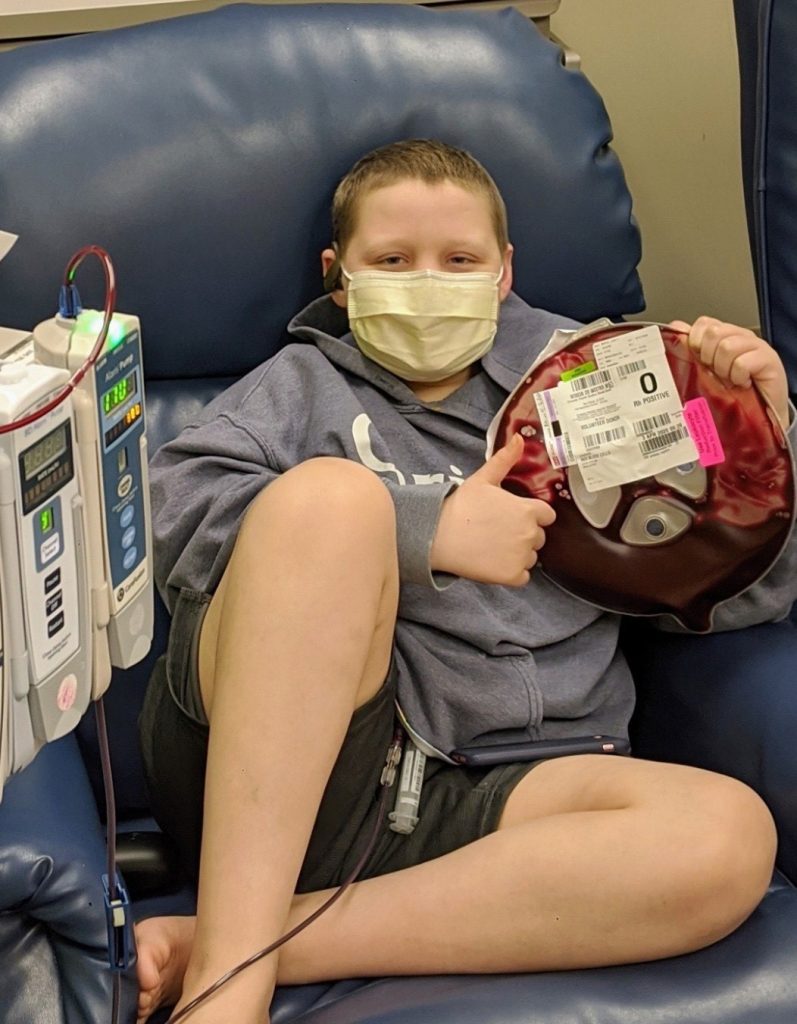
Patients who need red blood cells include trauma patients, people undergoing surgery, cancer patients, and those with anemia (including sickle-cell anemia). 

The red blood cells in greatest demand are Type O and B, so generally Double Reds donors are Type O or B.

Due to differences in blood volumes, there are different minimum criteria for men and women to donate Double Reds.

  • Men: at least 5’1″, 130 lbs
  • Women: at least 5’5″, 150 lbs

Donors should also meet the general requirements for donating blood.

Please speak to an Apheresis Supervisor about whether or not you qualify to donate double reds.

Since a Double Red donation collects twice as many red blood cells as a whole blood donation, donors are deferred for twice as long – sixteen weeks. (This means fewer reminder calls and messages, too!)

donating double rbc